How to Choose the Right Cage Size for Your Parrot
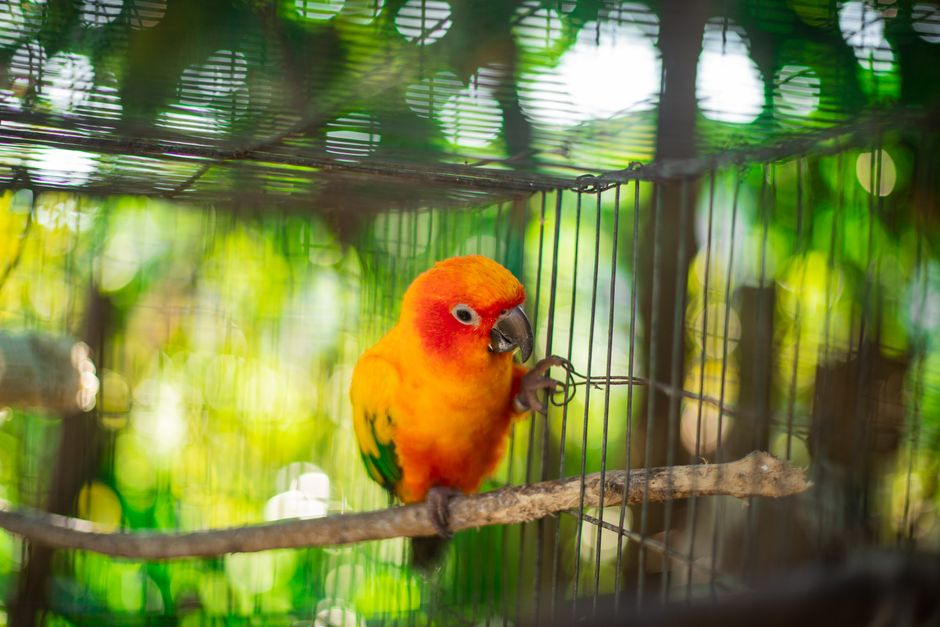
Providing a suitable living space is one of the most important considerations when caring for a parrot. The cage serves as the primary environment where a parrot spends a significant portion of its time, making it essential to evaluate size, configuration, and safety features carefully. Selecting the appropriate cage involves understanding the physical needs of different parrot species, as well as the structural elements that contribute to comfort and security. While many factors influence a parrot’s well-being, the cage’s dimensions and bar spacing are fundamental aspects that require thoughtful attention.
For anyone new to parrot care or even experienced bird owners, the variety of available cages can be overwhelming. Measurements are often listed in general terms, but what works for a small parakeet may be entirely unsuitable for a larger macaw. The goal is to provide enough space for the bird to move freely, stretch its wings, and engage in natural behaviors such as climbing and playing. Beyond sheer size, the spacing between bars plays a critical role in preventing injury and ensuring the bird cannot escape or get its head stuck. By exploring these elements in detail, owners can make informed decisions that support the bird’s daily comfort.
Understanding Cage Size by Species
The size of the cage should be considered in relation to the specific parrot species. Small parrots such as budgies, cockatiels, and lovebirds typically require a cage with a minimum width of 18 to 24 inches and a depth of 18 inches. Height is also a factor, but horizontal space often matters more because parrots move laterally along perches and toys. For medium-sized parrots like conures, Senegal parrots, or African greys, larger dimensions are recommended, with minimum widths ranging from 24 to 36 inches and depths of 24 inches. These birds need enough room to fully extend their wings without touching the bars.
Large parrots, including macaws and cockatoos, need substantially more space. A minimum cage size for such species is often 36 inches wide, 24 inches deep, and 48 inches tall, though larger enclosures are generally preferred. These measurements are starting points rather than guarantees of adequacy, as individual birds have varying activity levels and preferences. The key is to observe how the bird uses the space and whether it can move comfortably without restriction. When evaluating cage dimensions, it is helpful to consider that parrots benefit from having multiple perches at different heights and locations, which requires sufficient floor area and vertical clearance.
The Role of Bar Spacing
Bar spacing is a critical safety factor that is sometimes overlooked when selecting a cage. The spacing between bars must be appropriate for the bird’s size to prevent the head from becoming trapped or the bird from escaping. For small parrots, bar spacing should generally be no more than half an inch to five-eighths of an inch. Medium-sized parrots typically require spacing between five-eighths and three-quarters of an inch. Large parrots can accommodate spacing from three-quarters to one inch, but even for large species, spacing greater than one inch can pose risks.
When bar spacing is too wide, a parrot may attempt to squeeze through and become stuck, leading to injury or stress. Conversely, spacing that is too narrow can make climbing difficult and may cause discomfort. It is also worth noting that bar spacing affects the bird’s ability to use the sides of the cage for climbing, which is a natural activity for many parrots. Checking the spacing before purchase and measuring it carefully ensures that the cage is safe for the specific bird. Many manufacturers provide spacing specifications, but verifying with a ruler or caliper can be helpful.
Cage Shape and Orientation
The shape of the cage influences how a parrot moves and interacts with its environment. Rectangular cages are generally preferred over round or curved designs because they offer distinct corners where birds can retreat and feel secure. Round cages often lack these safe zones and may cause disorientation. Additionally, rectangular cages provide more usable floor space and allow for better placement of perches and toys. The orientation of the cage also matters: a cage that is wider than it is tall can encourage horizontal movement and flight, while a tall, narrow cage may limit exercise.
For many parrot species, horizontal space is more important than height because birds primarily move side to side rather than up and down. However, taller cages can be beneficial if they are also wide enough to allow wing extension. When choosing between designs, it is useful to consider how the cage will be furnished with perches, food bowls, and enrichment items. A well-designed rectangular cage with multiple levels or platforms can provide variety without sacrificing safety. The material of the bars also affects usability, as some birds may chew on softer metals, so powder-coated or stainless steel options are often more durable.
Material Safety and Durability
The materials used in cage construction directly affect the safety and longevity of the enclosure. Many cages are made from powder-coated metal, which is resistant to rust and easy to clean. However, some powder coatings may contain chemicals that are not safe if ingested, especially if the parrot chews on the bars. Stainless steel cages are widely regarded as the safest option because they are non-toxic, durable, and resistant to corrosion. Although stainless steel cages tend to be more expensive, they can last for many years and are easier to maintain.
Cages with painted or galvanized finishes should be examined carefully, as some older galvanized coatings contain zinc or lead that can be harmful if chewed. While modern galvanizing processes have improved, caution is still advisable. The type of metal used for the tray and grill also matters: removable trays made of plastic or stainless steel simplify cleaning, while grills that prevent the bird from standing in droppings can help maintain hygiene. The overall construction should be sturdy, with secure latches that the bird cannot manipulate. Regular inspection for wear or damage can help prevent accidents over time.
Additional Features and Placement Considerations
Beyond size and materials, certain features can enhance the cage’s functionality. Perches of varying diameters and textures support foot health, while multiple food and water stations reduce competition. Doors that open fully allow easy access for cleaning and interaction, and some cages include front or side doors for convenience. The depth of the bottom tray affects how often it needs to be emptied, and a tray that slides out easily simplifies maintenance. These details, while not directly related to size, contribute to the overall suitability of the cage.
Placement of the cage within the home also influences the parrot’s well-being. Cages should be located in a quiet area away from drafts, direct sunlight, and extreme temperatures. Being near family activity can be beneficial for social birds, but the cage should also have a side or corner where the bird can retreat. The height at which the cage is placed matters as well; parrots often feel more secure when positioned at eye level or slightly higher. By considering both the cage’s internal configuration and its external environment, owners can create a living space that supports the parrot’s physical and psychological needs.
Many avian experts, including those at Avian Insights, recommend evaluating each parrot’s behavior and adjusting the cage setup accordingly. No single cage is perfect for every bird, but taking the time to understand species-specific requirements can greatly improve the bird’s comfort and quality of life.