Top 10 Healthy Vegetables for Budgies and Cockatiels
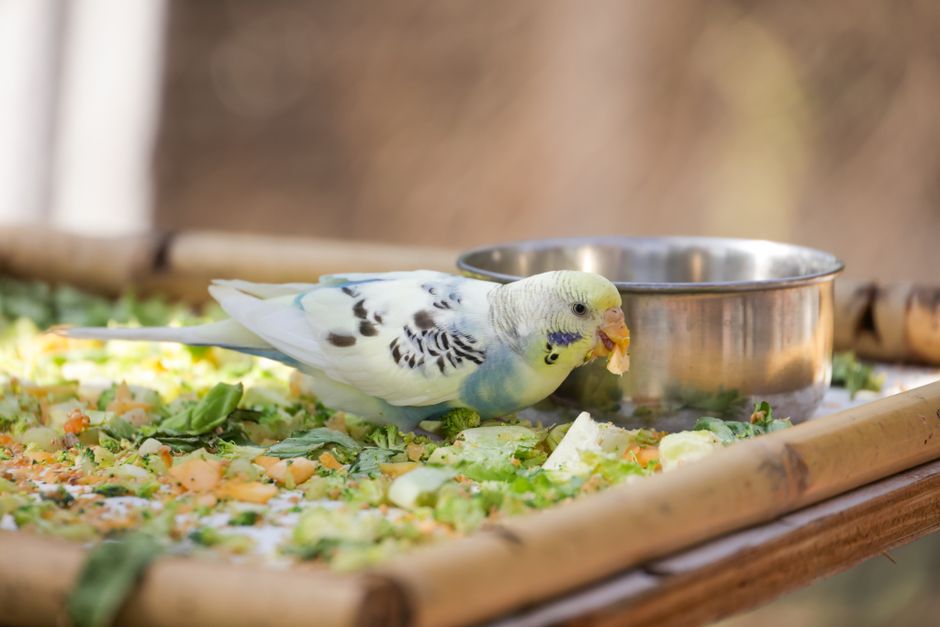
Budgies and cockatiels, like many companion parrots, benefit from a varied diet that includes fresh vegetables. Vegetables offer a range of vitamins, minerals, and phytonutrients that support overall wellbeing. While seeds and pellets form the foundation of a bird’s diet, incorporating vegetables provides additional hydration, fiber, and enrichment. The way vegetables are prepared and presented can influence whether a bird accepts them, so understanding appropriate methods is helpful for caregivers.
This article outlines ten vegetables commonly offered to budgies and cockatiels, along with information about their nutritional characteristics and suggestions for serving. The focus is on providing context rather than prescribing specific outcomes. Every bird has individual preferences and tolerances, and a gradual introduction of new foods is a common approach among bird owners.
Before introducing any new vegetable, it is advisable to wash it thoroughly to remove residues. Cutting vegetables into small, manageable pieces reduces the risk of choking and makes them easier for smaller birds to handle. Steaming or lightly cooking certain vegetables can soften their texture, though many birds enjoy raw, crunchy options as well.
Dark Leafy Greens
Dark leafy greens are widely included in avian diets because of their dense nutrient content. They are often offered raw, either whole or chopped, and can be clipped to the cage bars for foraging activity. The following three greens are frequently recommended by avian nutritionists.
Kale
Kale is recognized for its high concentration of vitamins A, C, and K. It also provides calcium and iron, which are important for bone health and blood function. Many budgies and cockatiels accept kale readily when it is washed and torn into small pieces. Some caregivers offer the stems as a source of additional fiber, though the leaves are generally preferred.
Spinach
Spinach contains significant amounts of vitamin A and folate. It is a soft leafy vegetable that can be served raw or lightly steamed. Because spinach is also high in oxalates, it is sometimes offered in rotation with other greens rather than as a daily staple. This variety helps maintain a balanced nutrient intake over time.
Swiss Chard
Swiss chard has brightly colored stems that may attract a bird’s attention. It provides vitamins A, C, and K, as well as magnesium and potassium. The leaves are tender and can be chopped into small strips. The stems are firmer and can be offered as a crunchy snack if cut into thin pieces.
Crunchy Cruciferous and Colorful Vegetables
Vegetables with a firm texture often appeal to birds that enjoy chewing and shredding. The following three options are popular for their crunch and nutritional variety.
Broccoli
Broccoli florets and stems are both suitable for budgies and cockatiels. This vegetable contains vitamin C, vitamin K, and sulforaphane, a compound studied for its antioxidant properties. Broccoli can be served raw in small florets or lightly steamed to reduce toughness. Many birds enjoy picking at the tiny buds.
Bell Peppers
Bell peppers, regardless of color, offer vitamin C and beta-carotene. The seeds and inner membranes are safe to consume, though some birds may prefer the flesh alone. Slicing the pepper into rings or small strips creates an engaging shape that birds can hold and nibble. The natural sweetness of red and yellow peppers may be more appealing to some individuals.
Carrots
Carrots are a source of beta-carotene, which the body converts into vitamin A. They have a firm texture that can help wear down a bird’s beak. Carrots are often served raw, either grated, sliced into thin coins, or cut into matchstick pieces. Steaming softens them slightly, which may be helpful for birds that are new to vegetables.
Root and Squash Varieties
Root vegetables and squashes provide a different texture and nutrient profile. They can be served raw or cooked, depending on the bird’s preference and the specific vegetable.
Pumpkin
Pumpkin is rich in vitamin A and fiber. The flesh can be offered raw, cut into small cubes, or steamed until tender. Many birds also enjoy picking at raw pumpkin seeds, which contain additional nutrients. The outer skin is generally too tough for small birds and is best removed before serving.
Sweet Potato
Sweet potato provides vitamin A, vitamin C, and manganese. It is typically served cooked, as raw sweet potato is very hard and difficult for birds to digest. Steaming or baking until soft and then mashing or cutting into small pieces is a common preparation method. Sweet potato can be offered warm or at room temperature.
Zucchini
Zucchini has a mild flavor and high water content, making it a hydrating vegetable. It is low in calories and can be served raw with the skin on. Cutting it into thin rounds or half-moons gives birds an easy shape to grasp. Some caregivers also offer the soft inner flesh after scooping out the seeds.
Legumes and Other Options
Certain legumes and other vegetables can be added to the diet in moderation. Peas are one example that is well accepted by many small parrots.
Peas
Peas contain protein, fiber, and several B vitamins. Fresh or frozen peas that have been thawed are commonly offered. Canned peas are generally avoided due to added sodium. Budgies and cockatiels often enjoy popping open the pod of fresh peas, which provides both food and enrichment. Peas can also be served individually after shelling.
Considerations for Serving Vegetables
The way vegetables are presented can influence a bird’s willingness to try them. Offering vegetables in a separate dish from seeds or pellets helps highlight the new food. Some birds respond well to vegetables clipped to the cage bars, while others prefer them on a flat surface. Introducing new vegetables one at a time allows caregivers to observe individual preferences and any changes in droppings that might indicate digestive adjustment.
Vegetables should be removed from the cage after a few hours to prevent spoilage, especially in warmer environments. Washing vegetables shortly before serving reduces moisture loss. For birds that are hesitant to try new foods, mixing a small amount of a familiar vegetable with a new one can encourage exploration. It is common for birds to need multiple exposures before accepting an unfamiliar item.
Rotating the selection of vegetables over the course of a week can contribute to a broader nutrient intake. Each vegetable offers a different combination of vitamins and minerals, and no single item provides everything a bird needs. A varied approach supports overall dietary balance.
Caregivers who have questions about their bird’s specific dietary requirements may find it helpful to consult with an avian veterinarian. Individual birds can have unique health conditions or preferences that influence food choices. Observing a bird’s reaction to new foods and making adjustments accordingly is a practical way to support its wellbeing over time.